Before 2023 ended, we asked our community to share their concerns on some of Maryland’s biggest mental health and substance use challenges, as well as their opinions on the most effective strategies to address them. This input informs our advocacy as we continue to work to ensure that legislative wins translate to progress for people across Maryland. Hundreds of Marylanders weighed in and here is what they had to say:
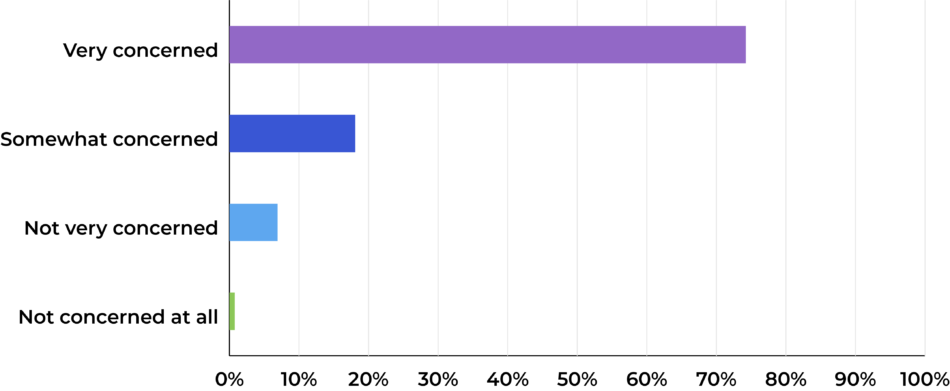
Access Disparities for Underserved Populations: 74% are very concerned and 18% are somewhat concerned. Top 2 Priorities:
- Increased funding to address service access disparities
- Reforms to reduce the overrepresentation of Black and brown individuals in the criminal justice system identified as the top two priority strategies
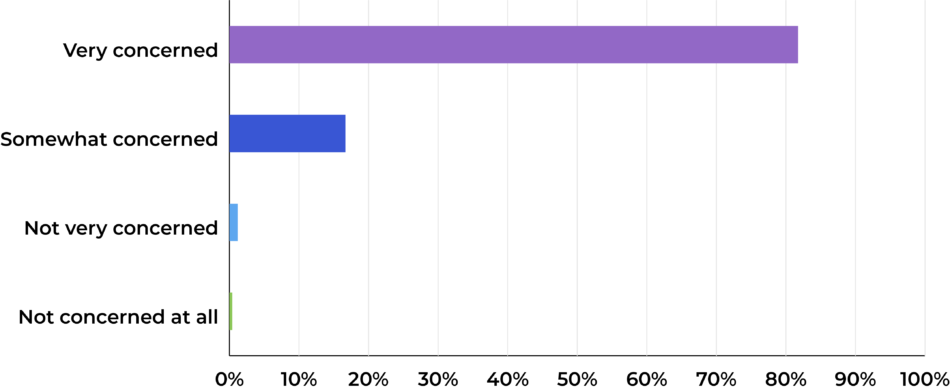
Children’s Behavioral Health: 82% are very concerned and 17% are somewhat concerned. Top 2 Priorities:
- Expand access to prevention and early intervention services for children and youth
- Restore efforts to create a comprehensive, integrated system of care for children and youth
Insurance Access Barriers: 72% are very concerned and 26% are somewhat concerned. Top 2 Priorities:
- Increase fines on insurers that do not comply with the federal mental health parity law and state requirements
- Educate the public about their rights
Older Adult Behavioral Health: 68% are very concerned and 28% are somewhat concerned. Top 2 Priorities:
- Build a comprehensive, integrated system of care for older adults
- Fight for mental health and substance use parity in the federal Medicare program
Rising Suicide Rates: 81% are very concerned and 18% are somewhat concerned. Top 2 Priorities:
- Increase funding for mobile crisis response teams
- Establish dedicated funding for the Maryland 988 crisis line
Opioid Deaths: 75% are very concerned and 22% are somewhat concerned. Top 2 Priorities:
- Expand access to affordable and treatment-linked housing
- Establish overdose prevention sites
Thanks to all who shared their thoughts, your input makes a difference in our work!
Detailed results can be found below or you can download the results here.
QUESTION 1: Access Disparities for Underserved Populations
74.23% of respondents are very concerned about the underrepresentation of people of color and others who have been historically marginalized in Maryland’s behavioral health system.
Respondents then ranked the strategies in order of effectiveness for addressing this underrepresentation, with 1 being the most effective and 5 being the least effective strategy.
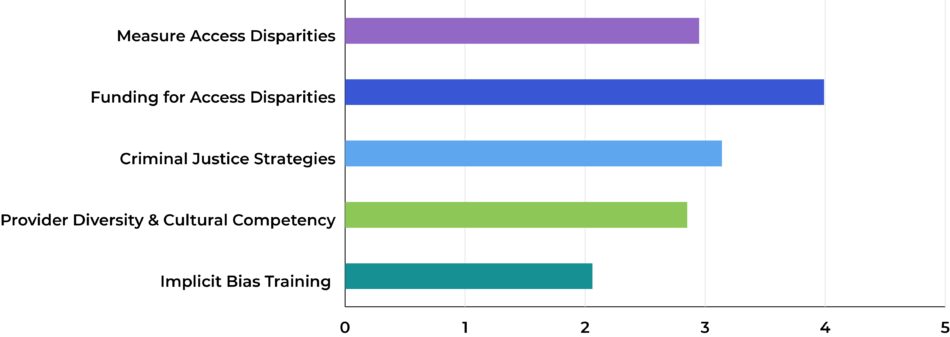
- Funding for Access Disparities – Expand funding to increase service access in response to disparities among underserved groups
- Criminal Justice Strategies – Implement strategies to reduce the overrepresentation of Black and brown youth and adults in the criminal justice system
- Measure Access Disparities – Measure and transparently report disparities in access to care
- Provider Diversity & Cultural Competency – Increase diversity and cultural competency of the provider workforce
- Implicit Bias Training – Require implicit bias training
QUESTION 2: Children’s Behavioral Health
81.75% of respondents are very concerned about the state of behavioral health care for Maryland’s children and youth.
Respondents then ranked the strategies in order of effectiveness for addressing concerns for children and youth, with 1 being the most effective and 5 being the least effective strategy.
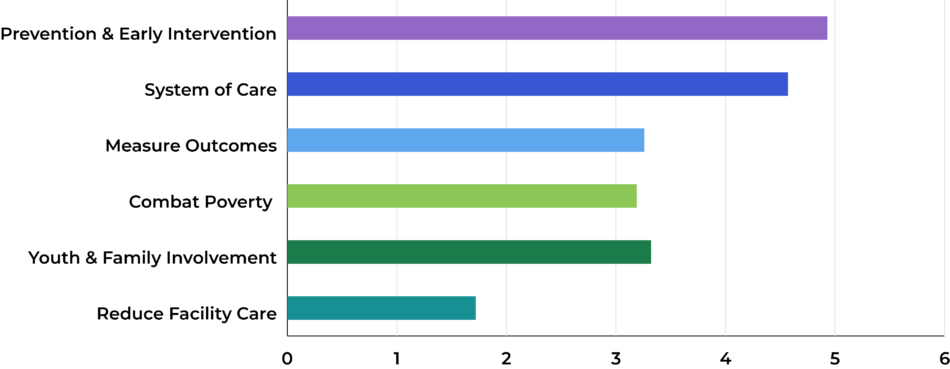
- Prevention & Early Intervention – Expand access to prevention and early intervention services for children and youth
- System of Care – Restore efforts to create a comprehensive, integrated system of care for children and youth
- Youth & Family Involvement – Increase involvement of youth and families in decisions that impact them
- Measure Outcomes – Implement system-wide measurement of care to assess and improve outcomes
- Combat Poverty
- Reduce Facility Care – Reduce the use of hospitalization and residential care
QUESTION 3: Insurance Access Barriers
71.97% of respondents think that barriers to care caused by insurance practices are very significant.
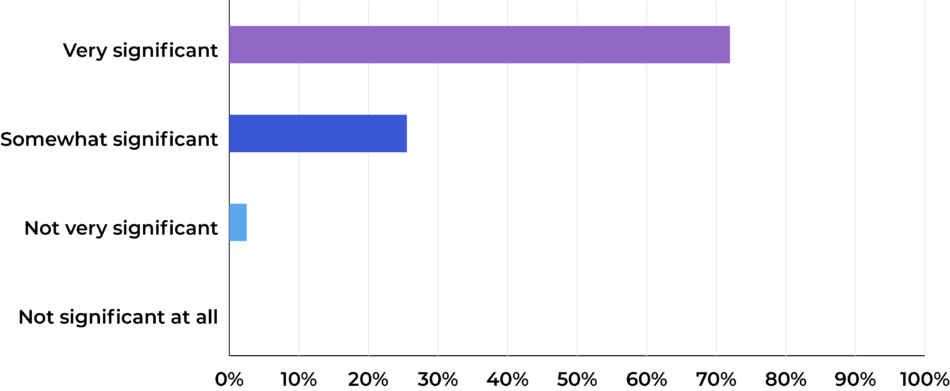
Respondents then ranked the strategies in order of effectiveness for addressing barriers to care posed by insurance practices, with 1 being the most effective and 5 being the least effective strategy.
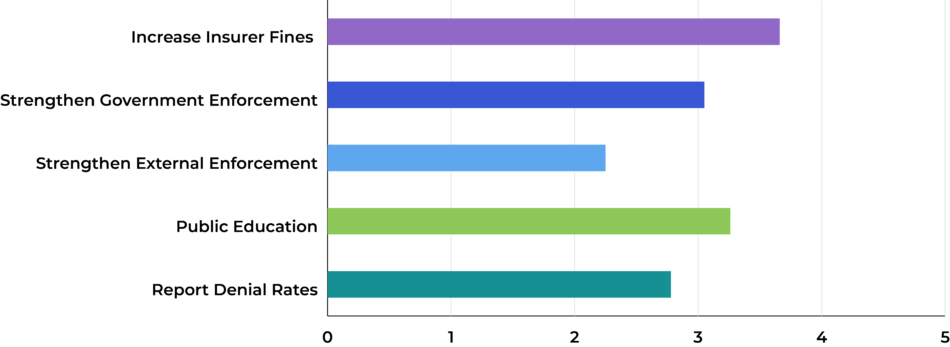
- Increase Insurer Fines – Increase fines on insurers that do not comply with the federal mental health parity law and state requirements
- Public Education – Educate the public about their rights
- Strengthen Government Enforcement – Strengthen enforcement capacity within government agencies
- Report Denial Rates – Require transparent reporting of service denial rates
- Strengthen External Enforcement – Increase enforcement capacity outside of government
QUESTION 4: Older Adult Behavioral Health
68.22% of respondents are very concerned about Maryland’s capacity to address the behavioral health needs of older adults.
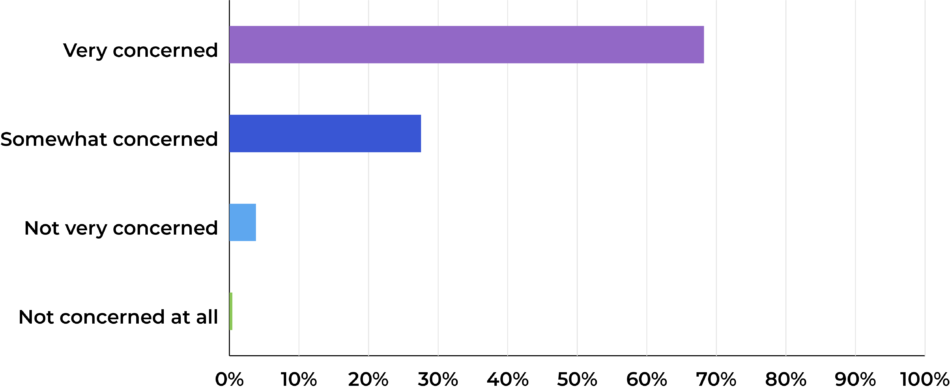
Respondents then ranked the strategies in order of effectiveness for building capacity to meet the needs of Maryland’s older adults, with 1 being the most effective and 5 being the least effective strategy.
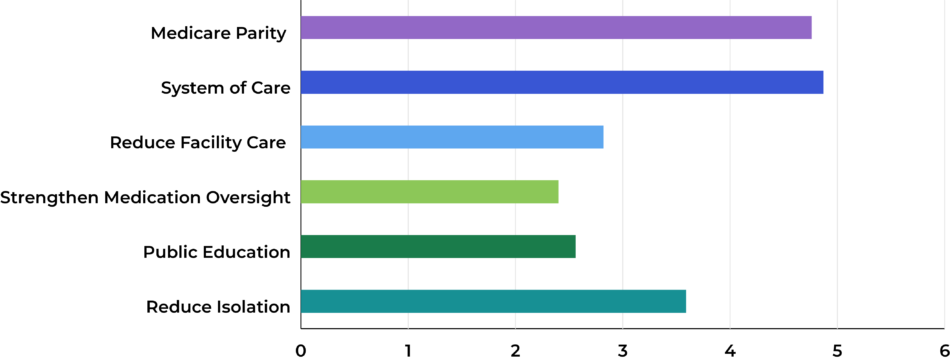
- System of Care – Build a comprehensive, integrated system of care for older adults
- Medicare Parity – Fight for mental health and substance use parity in the federal Medicare program
- Reduce Isolation – Develop community-based strategies to reduce isolation among older adults
- Reduce Facility Care – Reduce overuse of nursing facilities by improving the screening process that enables placement
- Public Education – Implement a statewide education campaign to address the stigma of mental illness among older adults
- Strengthen Medication Oversight – Strengthen oversight of medication use in nursing facilities
QUESTION 5: Rising Suicide Rates
81.28% of respondents are very concerned about the rising rate of suicide among Americans of all ages.
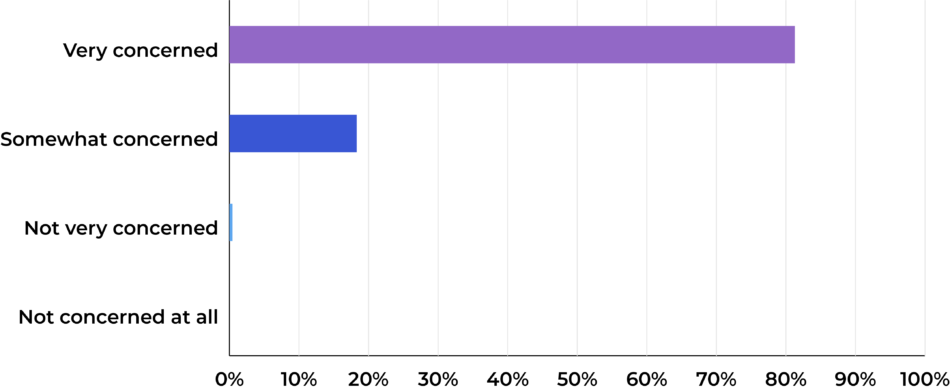
Respondents then ranked the strategies in order of effectiveness for addressing rising suicide rates among Americans of all ages, with 1 being the most effective and 5 being the least effective strategy.
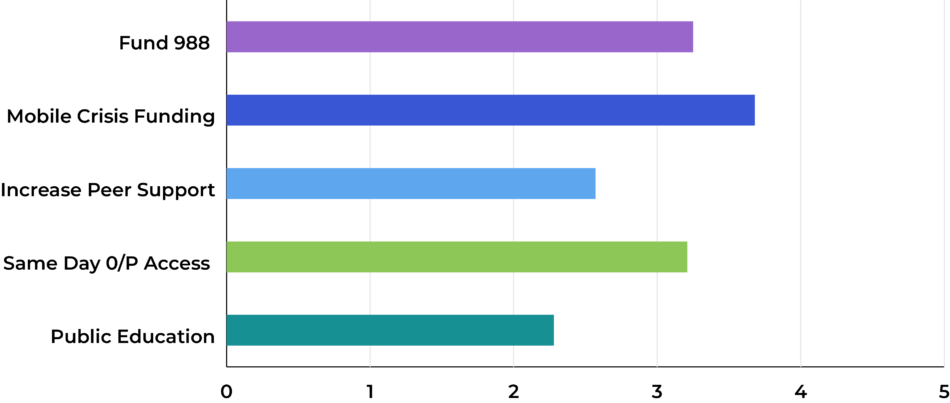
- Mobile Crisis Funding – Increase funding for mobile crisis response teams
- Fund 988 – Establish dedicated funding for the Maryland 988 crisis line
- Same Day 0/P Access – Expand access to same-day outpatient visits
- Increase Peer Support – Strengthen peer support services throughout the care system
- Public Education – Increase public education and awareness
QUESTION 6: Opioid Deaths
74.79% of respondents are very concerned about the number of Americans that are now more likely to die from opioid overdoses than car crashes.
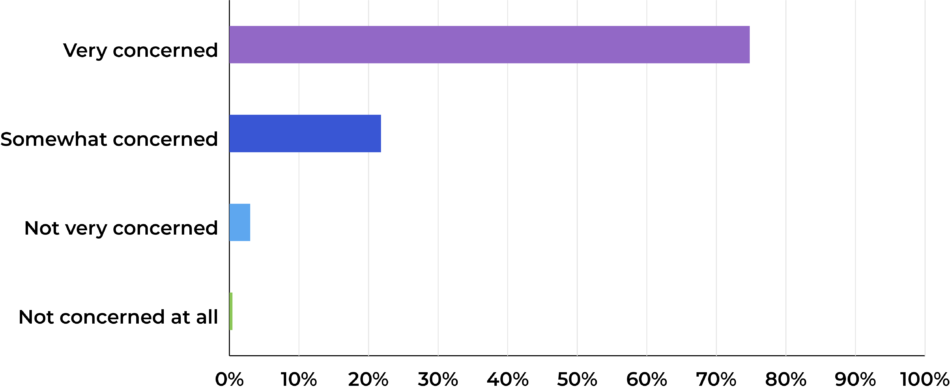
Respondents then ranked the strategies in order of effectiveness for addressing rising in opioid overdoses among Americans, with 1 being the most effective and 5 being the least effective strategy.
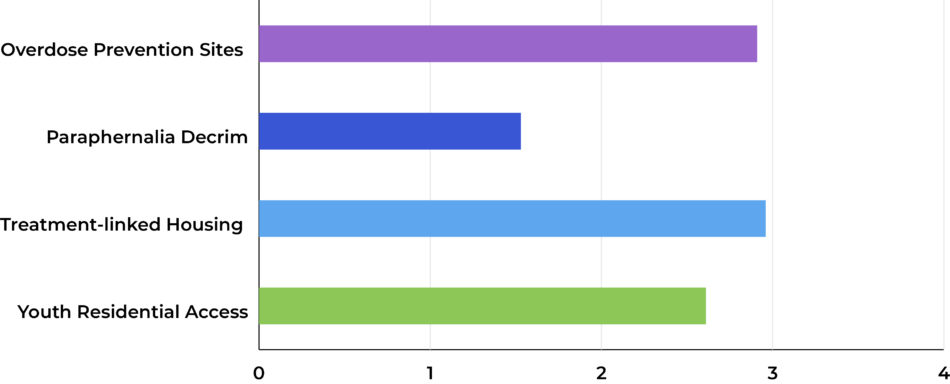
- Treatment-linked Housing – Expand access to affordable and treatment-linked housing
- Overdose Prevention Sites – Establish overdose prevention sites
- Youth Residential Access – Increase residential options for youth with substance use treatment needs
- Paraphernalia Decrim – Decriminalize drug paraphernalia
Thank you to everyone who complete the 2023 statewide survey. As we work to ensure that our legislative wins translate to progress for people across Maryland, our success depends on Marylanders like you—standing up, taking action, and working together for change.